

How Do Assisted Living Staff Help with Daily Living?
Assisted living staff provide practical support for daily tasks, allowing residents to maintain dignity, independence, and comfort. In communities like Donora, PA, staff members are trained to help with activities known as ADLs (activities of daily living). These foundational needs include:
- Bathing and personal hygiene
- Dressing and grooming
- Moving safely between bed, chair, and bathroom
- Using the toilet
- Eating meals
Support is always tailored. Some residents require gentle reminders or standby assistance, while others need more hands-on help. Staff adapt their approach to respect each person's privacy and preferences.
What Kind of Medical Support Do Residents Receive?
While assisted living is not the same as a nursing home, staff monitor residents’ health and coordinate with outside healthcare providers as needed. Basic medical support often includes:
- Reminding residents to take prescribed medications
- Arranging and escorting to local medical appointments
- Observing and reporting changes in health to families and doctors
In a smaller community such as Donora, daily routines consider each resident’s care plan. If a resident feels unwell or there’s a change in their usual behavior, staff can quickly connect them with medical professionals or emergency services. It’s common for staff to get to know local healthcare practices and understand regional health concerns, adding a layer of familiarity and reassurance.
How Do Staff Promote Social Engagement and Recreation?
Supporting residents goes beyond meeting physical needs. Staff organize and encourage participation in activities designed for enjoyment, connection, and cognitive stimulation. These might include:
- Group exercise (chair yoga, stretching)
- Board and card games
- Seasonal crafts (such as decorating in autumn or winter)
- Movie or music sessions
- Visits from local volunteers or school groups
Donora’s close-knit neighborhoods mean residents may already know each other from previous lives in the community, which helps staff foster a friendly, social environment. Activity teams often tune their calendars to local traditions, hobbies, or events, giving residents a continued sense of place and belonging.
In What Ways Are Meals and Nutrition Managed?
Meals in assisted living settings are planned to be nutritious, appealing, and suited to residents’ individual preferences or medical conditions. Staff prepare and serve three daily meals, often with snacks in between. Key points of support include:
- Creating menus with input from dietitians
- Alternating meals and flavors based on resident feedback
- Monitoring for food allergies or restrictions (e.g., low-sodium or diabetic diets)
- Assisting those who need help with eating or reminding them about mealtimes
For many older adults in Donora, familiar flavors and traditional dishes are comforting. Staff sometimes incorporate local favorites or seasonal produce, especially during holidays or local celebrations.
How Do Staff Keep the Community Safe and Comfortable?
Safety and comfort are critical to daily life in assisted living residences. Staff regularly inspect living spaces and shared areas, responding quickly to concerns such as:
- Managing spills, ice, or other slip hazards (especially important in the icy winters common to the region)
- Checking smoke detectors and emergency equipment
- Supporting safe mobility by arranging for walkers, canes, or grab bars as needed
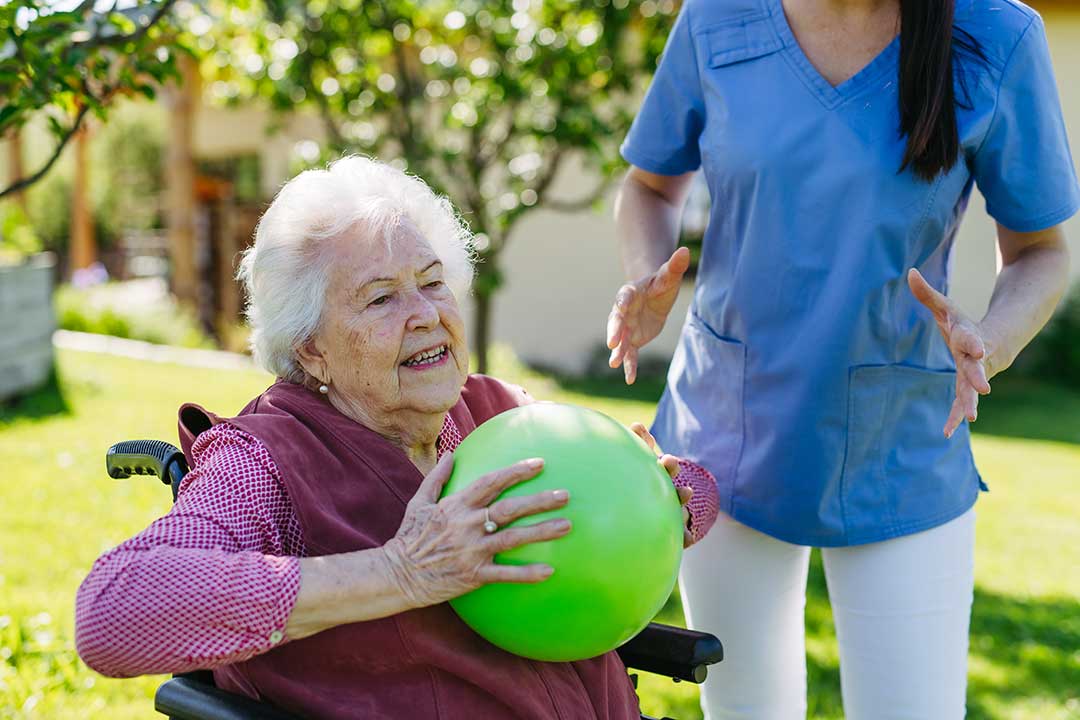
Staff also help with room cleaning and laundry, taking care to maintain sanitary conditions without intruding on residents' privacy. Regular communication with family members keeps everyone informed and reassured.
What Emotional and Personal Support Is Provided?
Living away from long-time homes and family can be emotionally challenging. Staff are sensitive to the adjustment process and provide reassurance through daily routines and conversation. Emotional support may look like:
- Stopping by rooms for a friendly chat or wellness check
- Noticing when a resident seems withdrawn or upset
- Partnering with local religious leaders or counselors for residents who want that support
- Facilitating phone or video calls with family members
The tight-knit character of Donora means many residents have local friends or family nearby, but staff are trained to act as a supplementary emotional support system. Respectful relationships and attentive listening help residents feel at home.
Are There Overlooked Ways Staff Help Residents?
Some forms of support in assisted living easily go unnoticed but are vital for comfort and well-being. These include:
- Helping residents navigate paperwork or understand mail and bills
- Assisting with technology, like setting up a TV, phone, or video call
- Advocating for residents’ rights and preferences during meetings or care plan updates
Staff may also check in after storms, power outages, or city service disruptions—a common reality during Donora’s variable weather. This practical layer of support adds reassurance for residents and their families.
Can Residents Still Make Their Own Choices?
Residents in assisted living remain in charge of their daily lives as much as possible. Staff support choice and independence by:
- Asking for input about preferences and routines
- Offering participation in activities, rather than requiring it
- Encouraging residents to manage tasks independently when safe and reasonable
Assisted living staff are there to help—not to take over. Staff roles exist to foster autonomy, comfort, and community connection throughout the resident’s stay.
