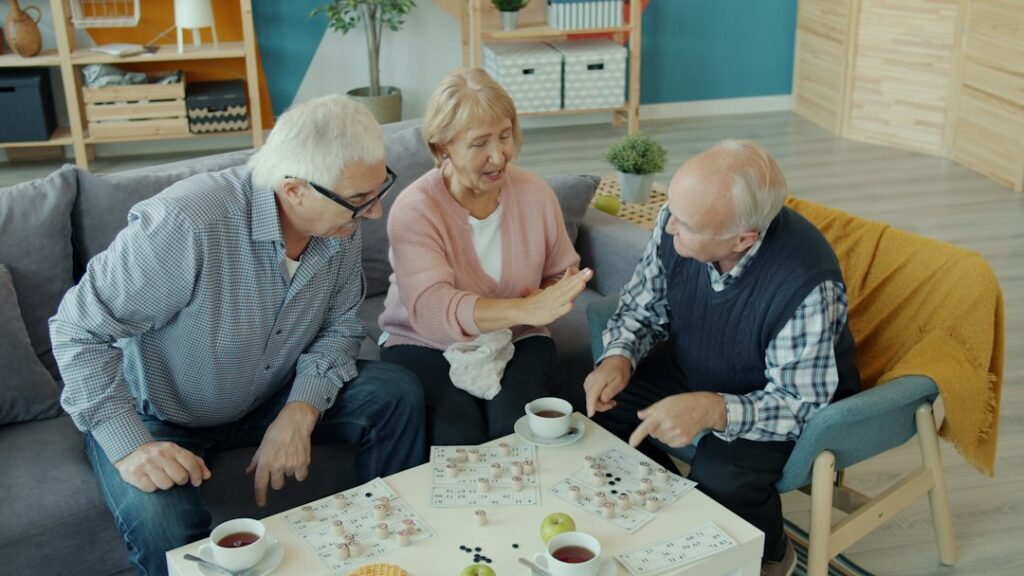
Assisted living amenities are more than attractive common areas or recreational calendars. The most useful features are the ones that support safety, independence, health, comfort, and meaningful daily routines.
For residents and families in Donora, PA, the right questions often involve practical details: Is help available when needed? Can residents continue favorite activities? Is the building comfortable during winter weather and summer heat? Are meals, transportation, and medical support handled in a dependable way?
Which amenities support safety and independence?
The most valuable amenities help residents do more safely without taking away personal choice. Look for features that make everyday movement, communication, and decision-making easier.
Important safety-related features may include:
- Handrails in hallways and bathrooms
- Well-lit corridors, entrances, and outdoor paths
- Grab bars near toilets and showers
- Walk-in or low-threshold showers
- Emergency call systems in living areas and bathrooms
- Non-slip flooring and clearly marked changes in elevation
- Secure entrances with reasonable visitor procedures
- Seating areas along longer walking routes
- Elevators or ramps where stairs could be difficult
A safe residence should not feel restrictive. Residents should be able to move through common areas, visit with others, receive mail, use a telephone privately, and maintain personal belongings. In Pennsylvania, assisted living residences must follow state requirements related to building conditions, fire safety, staffing, care, nutrition, and resident well-being. Amenities should support those protections rather than merely look impressive during a tour.
Ask whether emergency systems are tested regularly, how staff respond to calls, and whether residents can receive help at night. A pendant or call button has limited value if response procedures are unclear.
What should residents look for in apartments and bathrooms?
A private or shared living unit should be comfortable, manageable, and appropriate for the resident’s current abilities. The room itself matters, but the details around it often matter more.
Check whether the living space has enough room for a walker, wheelchair, recliner, or other essential equipment. Look for accessible light switches, reachable storage, secure windows, comfortable temperature control, and space for personal furniture. Pennsylvania resident protections generally allow residents to furnish their units and retain personal possessions, subject to residence rules.
Bathrooms deserve close attention. A bathroom may need:
- A roll-in or low-step shower
- A handheld showerhead
- Adjustable shower seating
- Easily reached controls
- Adequate lighting
- Space for assistance when needed
- A response system that can be reached from the floor
Families should ask how the residence handles changes in mobility. A room that works well today may become difficult after a fall, surgery, or illness. Find out whether accessibility equipment can be added and whether a resident would need to move to another unit if needs change.
How important are meals and dining amenities?
Meals are a daily health and quality-of-life issue, not simply a convenience. A suitable dining program should provide regular meals, snacks, hydration, and reasonable flexibility for medical or personal needs.
Ask how the residence handles:
- Diabetes-friendly or heart-conscious meals
- Food allergies and intolerances
- Texture-modified meals
- Assistance with eating
- Reduced appetite or unplanned weight loss
- Religious, cultural, or personal food preferences
- Missed meals because of appointments or illness
Dining areas should be bright, comfortable, and easy to reach. Excessive noise can make meals difficult for residents with hearing loss, cognitive changes, or anxiety. Smaller dining spaces may be useful for residents who become overwhelmed in a crowded room.
A menu can look appealing on paper, so observe an actual meal if possible. Notice whether food is served at a safe temperature, whether staff are available, and whether residents appear rushed.
What health and personal care amenities should be available?
Assisted living is designed for people who need help with daily activities but may not require continuous skilled nursing care. Services often include assistance with bathing, dressing, grooming, walking, toileting, medication routines, and arranging health care.
The key question is not whether a residence lists a service, but how that service works in practice.
Ask:
- Is help available overnight?
- How are medication schedules managed?
- What happens when a resident refuses or questions a medication?
- Can residents keep their preferred primary care provider?
- How are appointments arranged and documented?
- What health changes are reported to family members?
- Are rehabilitation or therapy services available through outside providers?
- What happens if a resident needs more care than the residence can provide?
A small clinic room or visiting medical space may be useful, but it does not replace clear care procedures. Residents should understand which services are included, which carry additional charges, and which are arranged separately.

Do transportation and outdoor spaces matter?
Transportation can determine whether residents remain connected to medical care, family, shopping, faith communities, and personal interests. Ask how far in advance rides must be scheduled, whether transportation is available for medical appointments, and whether assistance is provided from the doorway to the vehicle.
Outdoor areas should be evaluated for practical safety. Look for level walking paths, secure seating, shade, lighting, and surfaces that remain usable in different seasons. In Donora, winter ice, snow, rain, and changing temperatures can make outdoor access difficult, so ask how walkways are cleared and maintained.
A pleasant outdoor area is especially useful when residents can reach it without crossing a busy parking area or relying on staff for every visit.
Which social and wellness amenities are genuinely useful?
Activities should offer choices, not pressure. Useful programs accommodate different energy levels, interests, abilities, and schedules.
Potential options include:
- Exercise adapted for standing or seated participation
- Music, art, games, and discussion groups
- Reading areas and quiet rooms
- Gardening or seasonal outdoor activities
- Intergenerational visits
- Religious or spiritual opportunities
- Educational programs
- Small-group activities for residents with memory loss
- Private spaces for family visits
Ask whether residents help shape the activity calendar. A full schedule is not necessarily a strong program if residents rarely participate. Also look for unstructured opportunities: a comfortable lounge, a place to watch television, a puzzle table, or a quiet corner for conversation.
Social connection can be as important as formal programming. Residents should have ways to spend time alone, with friends, and with family.
What building and emergency features are easy to overlook?
Families sometimes focus on apartments and activities while overlooking building operations. Reliable utilities, climate control, backup procedures, and emergency planning are essential amenities.
Ask how the residence prepares for:
- Power outages
- Severe winter weather
- Extended heat or humidity
- Heavy rain or local flooding concerns
- Fire or evacuation events
- Medical emergencies
- Temporary transportation disruptions
The building should maintain comfortable temperatures and have procedures for residents who cannot evacuate independently. Ask where residents go during an emergency, how families are notified, and how medications, food, oxygen, mobility equipment, and records are protected.
Also consider practical conveniences such as laundry, housekeeping, mail delivery, storage, internet access, and visitor seating. These features may seem minor, but they influence whether residents feel settled and capable.
How can families compare amenities fairly?
Create a short list based on the resident’s actual needs rather than the most visible features. Separate essential amenities from preferences.
For example, essential needs might include overnight assistance, accessible bathing, medication support, transportation to medical appointments, and safe outdoor access. Preferences might include a beauty salon, theater room, or specialized activity space.
During a visit, observe how staff interact with residents, whether hallways smell clean, whether residents can find help easily, and whether the atmosphere feels calm or rushed. Ask for written information about services, fees, care limits, emergency procedures, and what happens when needs change.
The strongest choice is usually not the residence with the longest amenity list. It is the setting where the available features match the resident’s abilities, routines, health needs, comfort, and preferred level of independence.