
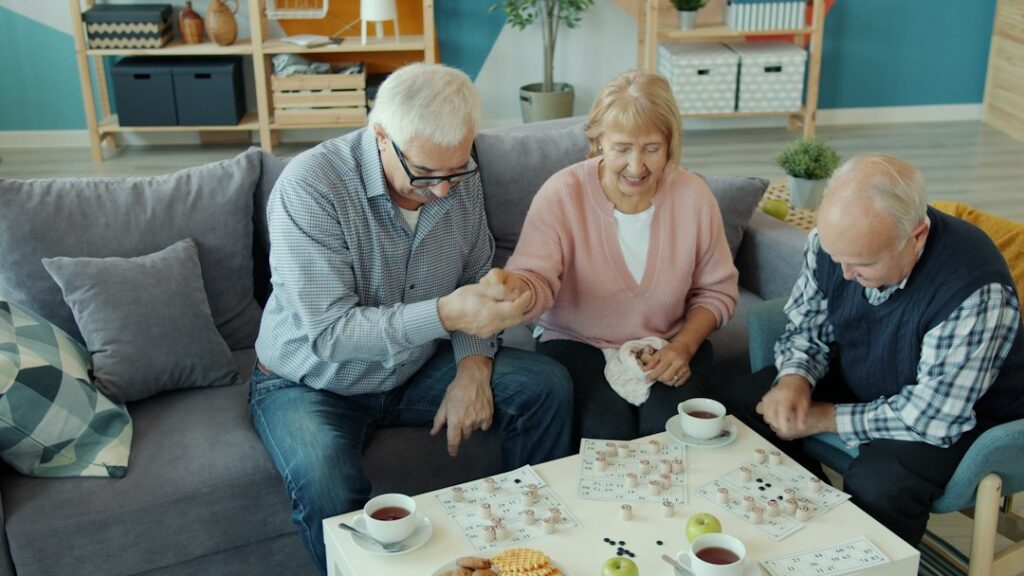
Moving into assisted living can bring relief, worry, sadness, or resistance—even when the move is necessary and carefully planned. Seniors often adjust more successfully when they receive clear information, familiar belongings, steady routines, and patient support from family members and staff.
What makes the transition difficult?
The move may involve more than changing addresses. A senior may be leaving a longtime home, giving up familiar rooms, adjusting to shared spaces, and learning new routines. These changes can affect independence, privacy, sleep, appetite, and confidence.
Some older adults also worry that assisted living means losing control. They may fear being treated like a child, becoming disconnected from neighbors, or no longer making everyday decisions. Listening to those concerns without immediately correcting or dismissing them can reduce defensiveness.
Adjustment is rarely immediate. A senior may appear comfortable during the first few days and become upset later, after the reality of the move sinks in. Another person may seem unhappy at first but settle into the new environment within a few weeks. Both responses can be normal.
How can family members prepare a senior before moving day?
Preparation is most helpful when it is honest, gradual, and specific. Explain what daily life will look like, including where meals are served, how medications are handled, what personal items can be brought, and how visitors can spend time together.
Avoid making promises that may not be accurate, such as saying nothing will change. A more reassuring approach is to describe which choices will remain available. For example, a senior may still choose clothing, decide when to call family, arrange personal belongings, select activities, and express preferences about meals or bedtime.
Before the move, consider:
- Visiting the setting more than once, if possible
- Walking through the expected daily schedule
- Measuring the new living space
- Sorting possessions together rather than packing everything without discussion
- Labeling clothing and personal items
- Writing down questions about transportation, emergency procedures, meals, visitors, and care routines
- Creating a simple list of important contacts, health information, preferences, and calming strategies
In Donora, seasonal conditions may also affect planning. Winter weather, snow, ice, and shorter daylight hours can make visits or transportation more difficult. A plan for regular phone calls, video conversations, or indoor family visits can help maintain connection during less comfortable weather.
Which belongings help a new room feel familiar?
Familiar objects can make an unfamiliar room feel more personal. The goal is not to recreate an entire household but to bring items that support identity, comfort, and orientation.
Useful choices may include:
- A favorite chair, quilt, lamp, or small table
- Family photographs with names written on the back
- A familiar clock or calendar
- Books, puzzles, music, or craft materials
- A preferred blanket, robe, or set of clothing
- A small collection connected to hobbies or family history
- A familiar scent, such as a favorite hand lotion, if permitted
Avoid creating clutter that could increase fall risk. Walkways should remain clear, and electrical cords, loose rugs, and unstable furniture should be addressed before the room is arranged.
Photographs can be especially helpful when they show recognizable people and events. For a senior experiencing memory loss, pictures with simple labels may support conversation and recognition.
How should family members visit during the first few weeks?
Short, predictable visits are often easier than long, unexpected ones. A family member might visit at a consistent time, share a snack, look through photographs, take a supervised walk, or help organize a drawer.
A senior may become distressed when relatives leave. That does not always mean the visit was harmful or that the placement is failing. Leaving quietly or secretly can increase mistrust. A calm, consistent goodbye is usually better, even if it briefly causes emotion.
Family members should avoid turning every visit into an inspection. Repeatedly asking, “Are you happy here?” may lead a senior to focus on problems or feel responsible for reassuring relatives. More useful questions include:
- What part of the day feels easiest?
- Is there anything in the room that needs changing?
- Which activity seems most comfortable?
- Are there times when the environment feels too noisy or confusing?
- What would make tomorrow a little easier?
Family members can also share useful observations with staff, such as preferred conversation topics, signs of fatigue, food preferences, or activities that have helped the senior relax.

What if the senior refuses activities or does not socialize?
Participation should not be forced. A senior may need time to observe before joining a group. Large activities, crowded dining rooms, or unfamiliar games can feel overwhelming.
Start with low-pressure options. Sitting near an activity, listening to music, having coffee with one other person, or talking with a staff member may be a reasonable first step. Interest often develops after a senior feels physically and emotionally secure.
A person who was never highly social should not be expected to become outgoing. Quality of life may come from quiet routines, private hobbies, spiritual practices, reading, television, family calls, or one-on-one conversation rather than group events.
A sudden change in participation deserves attention, especially if it occurs with confusion, pain, poor sleep, appetite changes, weakness, or withdrawal. Those symptoms may reflect a medical issue, medication effect, depression, hearing difficulty, or another problem rather than simple unwillingness.
How can independence and dignity be protected?
Adjustment improves when seniors retain meaningful choices. Even small decisions communicate respect.
Depending on the person’s abilities and care plan, choices may include what to wear, when to shower, where to sit, which activities to try, what personal items to display, or whether to eat in a shared area or a quieter setting.
Use adult language and speak directly to the senior, not only to family members or staff. Ask permission before moving belongings or assisting with personal tasks. If help is needed, allow enough time for the senior to do as much as possible independently.
It is also helpful to distinguish safety concerns from preferences. A family member may prefer a particular arrangement, but the senior’s choices should guide decisions whenever they do not create a serious risk.
When should concerns be addressed?
Persistent distress should not be ignored, but it should be examined carefully. Keep track of patterns rather than relying on one difficult conversation. Note when anxiety occurs, what happens beforehand, whether sleep or meals have changed, and what seems to help.
Concerns that deserve prompt attention include:
- Repeated falls or near-falls
- New or worsening confusion
- Unexplained bruising or injuries
- Ongoing refusal of food or fluids
- Severe sadness, panic, or isolation
- Trouble sleeping for several nights
- Sudden agitation or personality changes
- Medication concerns or missed treatments
Safety, health, legal, or care-plan issues may require discussion with the appropriate licensed professionals or responsible representatives. The goal is to identify the cause of distress and make a specific adjustment—not simply to tell the senior to “give it more time.”
How long does adjustment usually take?
There is no single schedule. Some seniors begin settling within days, while others need several weeks or longer. Adjustment may also come in stages, with good days and difficult days.
Progress may look modest. A senior may learn the dining routine, recognize one staff member, sleep more consistently, participate in a preferred activity, or complain less about the new setting. These changes can signal growing familiarity even if the person still misses home.
Consistent routines, respectful communication, familiar belongings, and regular contact help create a sense of security. For families in Donora, maintaining connections with trusted relatives and familiar community traditions can make the transition feel less like an ending and more like a change in how daily support is provided.
